Certified packing and securing methods used by removals pros
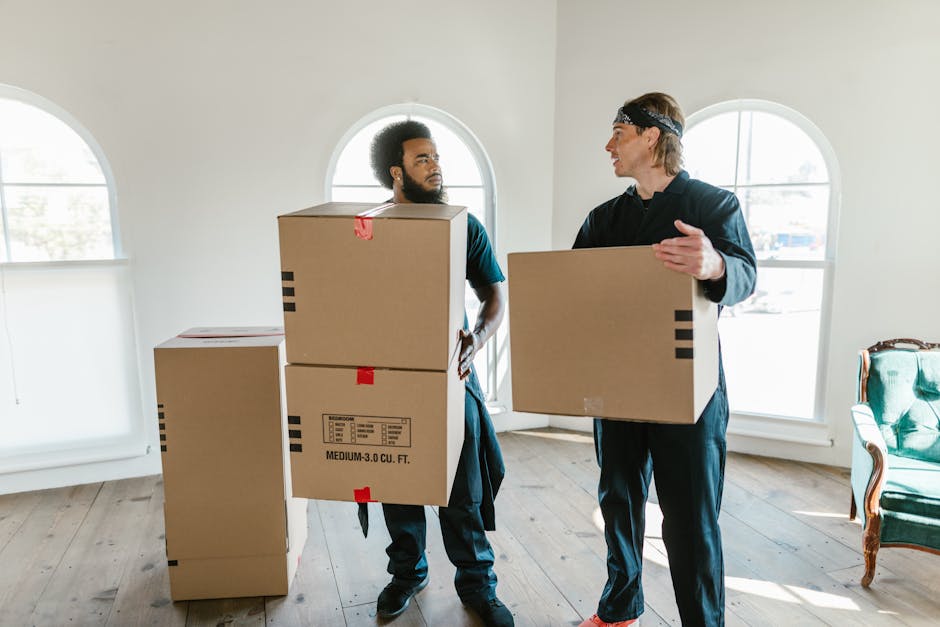
If you have ever watched a move go slightly sideways, you already know the difference that proper packing makes. A box that was "fine" in the hallway can become a crushed mess in the van. A dining table that looked solid at the door can arrive with a chipped corner. Certified packing and securing methods used by removals pros are designed to stop that sort of thing before it starts.
This guide breaks down what professionals actually do, why those methods matter, and how you can spot good practice when you are booking a move. It is not just about bubble wrap and hope. It is about structured packing, load planning, restraint, protection, and the kind of attention to detail that keeps everything where it should be, even on a bumpy London road at 8:30 on a wet Tuesday morning. Truth be told, that's where the real work happens.
Whether you are moving a flat, a family house, an office, or a few awkward items that seem determined to fight back, understanding these methods helps you make smarter decisions. You will know what to ask, what to expect, and what "professional" should really look like.
Why certified packing and securing methods used by removals pros matters
Packing is often treated like a side task, but it is really part of the moving system. If the packing is weak, the rest of the job has to compensate. That means extra handling, extra risk, and more stress for everyone involved. Certified methods, or at least methods aligned with professional removal standards and safe working practice, bring structure to a process that can easily become chaotic.
Think about what a move actually involves: lifting, stacking, vibration, sudden braking, awkward angles, door frames, stairs, narrow hallways, and items of very different shapes and fragility. A cardboard box alone does not solve those problems. The goal is to create a load that can survive being moved, loaded, driven, and unloaded without shifting around like loose shopping bags in the boot of a car.
For removals professionals, packing and securing are not separate jobs. They are connected. The choice of box, the wrap around the item, the way a sofa is padded, and the way a load is blocked inside the vehicle all work together. If one part is sloppy, the whole chain weakens. Simple as that.
There is also a trust angle here. People booking removal services want to know their belongings are handled sensibly, not just shifted quickly. That matters even more for delicate items, high-value furniture, antiques, office equipment, and anything with awkward weight distribution. A well-packed move gives you confidence before the van even leaves the street.
Expert summary: Good packing is not about using the most material. It is about using the right material in the right places, then securing every item so it cannot move, rub, compress, or topple during transit.
How certified packing and securing methods used by removals pros works
Professional packing starts with assessment. Before anything is wrapped, a mover or packer should consider the item's size, weight, finish, fragility, and route out of the property. That sounds obvious, but it is where many problems are prevented. A large wardrobe that fits through the bedroom door might still need partial dismantling. A mirror that looks sturdy may need edge protection. A box of kitchenware may need internal dividers, not just a lid and a label.
The process usually follows a sequence:
- Sort and assess the items by fragility, weight, and destination room.
- Choose the right packaging such as double-walled boxes, wardrobe cartons, protective blankets, corrugated cardboard, tissue, foam, or shrink wrap.
- Prepare the item by cleaning, dismantling where necessary, removing loose parts, and protecting corners, edges, and surfaces.
- Pack or wrap with structure so there are no hollow spaces, unstable loads, or pressure points.
- Seal and label clearly to keep fragile, upright, and room-specific items organised.
- Load in a planned order so heavier items stay low and stable, and fragile goods are kept away from crush risk.
- Secure inside the vehicle using straps, load bars, blankets, and blocking methods to stop movement during transit.
That final part is a big one. Many people focus only on boxing and forget that once the boxes are in the van, they are still at risk. A professional load is built like a layered puzzle. Heavy items create a stable base. Softer protection fills gaps. Straps hold the load in place. Nothing should be left to wobble.
If you are booking a move for a property with lots of furniture, specialist items, or tight access, it is worth looking at services such as packing and boxes and packing and unpacking services. Those services often give the best results because the packing method is matched to the item and the route, not guessed at the last minute.
Key benefits and practical advantages
Good packing and securing methods do more than protect objects. They make the entire move calmer and more efficient. And let's face it, moving day already has enough going on.
- Less breakage: Proper cushioning and separation reduce impact damage and friction marks.
- Better space use: Neat packing and smart stacking usually let the van carry more safely, without overloading one area.
- Faster loading and unloading: Labels, grouped boxes, and planned access reduce confusion on the day.
- Safer handling: Stable loads are easier to lift and less likely to slip during carry.
- Reduced stress: When items are packed logically, the move feels organised rather than improvised.
- Better protection in storage: If items need to go into storage, strong packing matters even more because items may sit untouched for a while.
There is a practical commercial angle too. If you are moving a business, poor packing can mean downtime, damaged equipment, and missing essentials on day one. For those situations, professional help with commercial moves or office removals can save far more than it costs in time, disruption, and awkward apologising to staff. Nobody enjoys that bit.
For residential moves, the benefit is more personal. You are not just moving objects. You are moving the things that make a home feel like yours. A properly packed kitchen, wardrobe, or book collection arrives in a state that is usable, not a post-move jigsaw puzzle.
Who this is for and when it makes sense
These methods are useful for almost any move, but some situations benefit more than others.
Homeowners and renters
If you are moving from a house or flat, professional packing makes sense when you have breakables, a tight schedule, or a lot of mixed items. It is especially useful if you are moving out of a property with narrow stairs, shared hallways, or limited parking. In those situations, even a small mistake can turn into a bottleneck.
People booking home moves, house removals, or flat removals often find that stronger packing methods make the whole day feel less frantic.
Students
Students may think they do not need professional packing. Sometimes that is true. But if you are moving on a deadline, sharing transport, or carrying electronics, books, and fragile kit, then a bit of structure helps. Student removals often go smoother when essentials are packed separately and the heavier stuff is sealed in well-sized boxes rather than overfilled bags.
Businesses and offices
Desks, monitors, printers, files, and stock all need different treatment. Office work is less forgiving because missing cables, mislabelled cartons, and unprotected equipment waste time immediately. That is why professional securing methods matter so much in office relocation services.
Specialist and awkward items
Pianos, artwork, large mirrors, and bulky furniture often require extra handling. If you have something unusually heavy, tall, delicate, or expensive, the move should not be treated like a standard box shuffle. It should be planned around the item itself. Services such as piano removals and furniture removals exist because those items need more than routine wrapping.
Step-by-step guidance
Here is a practical version of how removals pros typically approach packing and securing. No mystery, just method.
1. Start with a room-by-room sort
Group items by room, use, and fragility. Do not pack random objects into random boxes and hope the labels will save you later. They won't, usually. Keep kitchenware together, books together, and fragile decor together. That makes unpacking faster and reduces the chance of crush damage.
2. Choose the right container for the item
Not all boxes are equal. Lightweight boxes suit light items. Heavier things need stronger cartons. Wardrobe cartons help with hanging clothes, while books should go in smaller boxes to avoid a back-breaking surprise. A box should feel full, but not bulging.
3. Protect surfaces before you protect the shape
Gloss, glass, polished wood, and soft finishes scratch easily. Removals pros often use blankets, paper wrap, foam sleeves, corner guards, and tape to protect contact points first. The aim is to avoid rubbing. One tiny bit of movement can leave a mark, and you only notice it when the item is already downstairs. Annoying, yes.
4. Remove loose parts and secure moving components
Table legs, shelves, drawers, cables, and remotes should not be left wandering about. Remove them if possible, bag them neatly, and label them clearly. If parts must stay attached, they should be tied, taped, or wrapped so they cannot swing or rattle.
5. Fill empty spaces inside the pack
Void space is the enemy. If items can shift inside a box, they will. Use paper, foam, or suitable soft materials to keep contents from collapsing into each other. This is especially important for glassware and ceramics, where edge-on-edge contact is what causes trouble.
6. Seal and mark the load
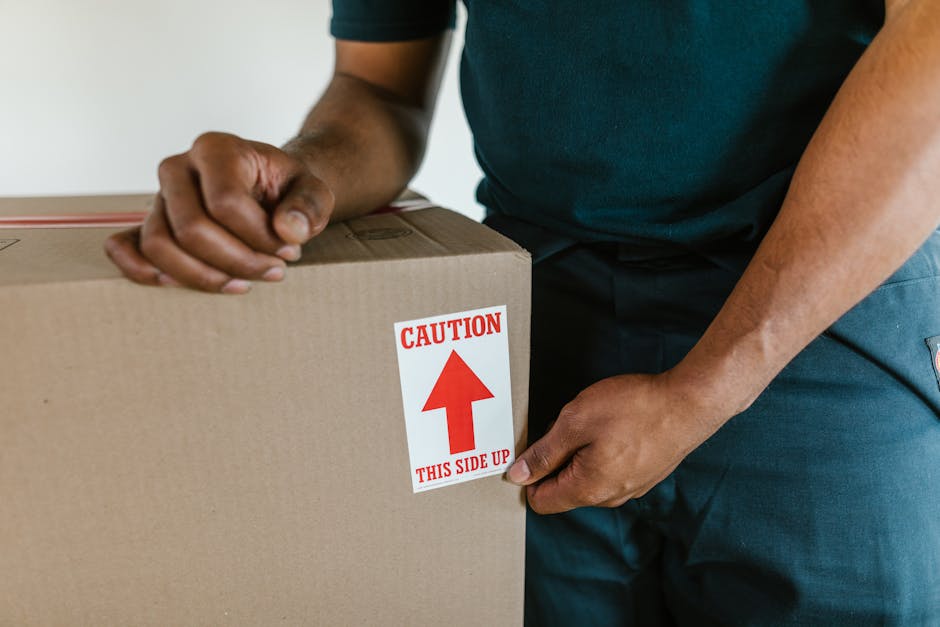
Seal boxes properly, then mark them with practical labels: fragile, this way up, room name, or priority unpack. The best labels are simple. Nobody wants a box covered in cryptic notes like "misc, sort later." That just becomes tomorrow's problem.
7. Load with weight distribution in mind
Heavy items should sit low and stable. Fragile cartons should not be underneath lumps of furniture or loose metal. Think of the load as a stack of responsibilities: the heavy stuff supports, the delicate stuff stays protected, and nothing gets buried without reason.
8. Secure the load inside the van
Use straps, rails, load bars, and blankets to stop lateral movement. If items are stacked to the ceiling, there should still be a controlled system holding them in place. A well-secured van should sound quiet in motion. Not silent, but not rattling either. That's a good sign.
Expert tips for better results
Here are the sorts of details that experienced removals teams tend to care about, even if customers never see them directly.
- Pack by weight, not just by room: Two boxes from the same room can need very different treatment.
- Use smaller boxes for denser items: Books, tools, and kitchen tins can become dangerously heavy in large cartons.
- Double up on corners: Corners are where most knocks happen on furniture and framed items.
- Keep essentials separate: Kettle, chargers, documents, medication, and one change of clothes should not disappear into the moving maze.
- Photograph cable setups: If you are moving TVs, desks, or workstations, a quick photo before unplugging saves time later.
- Do not over-wrap everything: More material is not always better. Sometimes it traps moisture, hides labels, or makes items harder to grip.
- Ask about insurance and handling rules: Reputable firms should be able to explain how they protect items and how they deal with damage claims. Their insurance and safety approach should feel clear, not vague.
A small but useful trick: keep a "first night" box and make sure it is loaded last, unloaded first. You will thank yourself later when the toothpaste, phone charger, and mugs are not buried under twelve cartons of random life admin.
Also, do not be shy about asking the team how they plan to secure the load. A professional answer is usually specific, calm, and practical. If the reply sounds hand-wavy, that tells you something.
Common mistakes to avoid
Most packing damage comes from a handful of repeatable mistakes. The good news? They are avoidable.
- Using the wrong box size: Big boxes for heavy items are a recipe for ripped handles and sore backs.
- Leaving empty space: Loose contents move, knock, and settle badly during transit.
- Ignoring fragile edges: Corners, glass edges, and handles need more protection than the flat surface.
- Mixing weights carelessly: A light lamp sitting under a heavy pan set is asking for trouble.
- Under-securing the van load: Even short journeys can cause movement when the load is not restrained.
- Poor labelling: If everything is "miscellaneous," nothing gets handled properly.
- Rushing the final check: The last 10% of the job often prevents 90% of the headaches. Bit of an annoyance, but true.
One of the most common real-world issues is overconfidence. A customer thinks a wardrobe is "solid enough" or that wrapped plates will survive in any old carton. Sometimes they do. Often they don't. Professional packing exists precisely because moving conditions are less forgiving than a shelf at home.
Tools, resources and recommendations
You do not need a warehouse full of kit, but you do need the right basics. Professionals generally rely on a small set of reliable tools rather than anything flashy.
| Tool or material | What it is used for | Best for |
|---|---|---|
| Double-walled cartons | Stronger box structure and better crush resistance | Books, kitchenware, mixed household items |
| Wardrobe boxes | Transporting hanging clothes without folding | Wardrobes, coats, formal wear |
| Removal blankets | Padding furniture and preventing scuffs | Wood furniture, white goods, appliances |
| Bubble wrap and paper wrap | Cushioning and surface protection | Glass, ceramics, frames, fragile decor |
| Straps and load bars | Holding items in position inside the vehicle | Van loads of mixed furniture and boxes |
| Corner protectors | Reducing impact on vulnerable edges | Tables, mirrors, cabinets, artwork |
| Labels and markers | Identifying contents and handling instructions | Everything, really |
If you are trying to decide whether to handle the packing yourself or hire help, it may be worth comparing your own time, the volume of items, and how many awkward pieces you have. Some moves are fine with a self-pack approach. Others benefit from professional support, especially if the schedule is tight or the property access is awkward.
For people who want a straightforward combined option, man and van or man with van services can be practical for smaller loads, while larger or more complex moves may call for a proper moving truck or even removal truck hire. The right vehicle matters because good packing is only half the story if the load does not fit safely.
Law, compliance, standards, or best practice
It is worth being careful here. Packing and securing methods are often shaped by industry best practice, insurer expectations, transport safety principles, and general duties to handle goods and property responsibly. Exact requirements can vary depending on the job, the vehicle, and the type of items being moved.
In the UK, professional removal firms should work with sensible health and safety procedures, proper manual handling habits, suitable equipment, and clear responsibility for fragile or valuable items. If a company claims to be "certified," the most useful thing is to ask what that means in practice. Does it refer to staff training, vehicle safety checks, internal procedures, insurance cover, or membership of a trade body? The wording matters.
You also want to know how the company handles claims, exclusions, and customer duties. The terms may sound dry, but this is where expectations are set. A serious mover should be willing to discuss their health and safety policy, terms and conditions, and payment and security processes without making you feel like you are doing them a favour by asking.
For customers, the best practice is simple: describe your items honestly, flag anything fragile or unusually heavy, and ask how the packing and securing will be handled. The more transparent the conversation, the better the move usually goes.
Options, methods, or comparison table
There is no single packing method that fits every job. A professional will choose based on value, fragility, access, and travel distance. Here is a simple comparison.
| Method | Best use | Strengths | Limitations |
|---|---|---|---|
| Standard box packing | General household items | Efficient, economical, easy to stack | Not enough for awkward or fragile items on its own |
| Full protective wrapping | Furniture and delicate surfaces | Good surface protection, reduces scuffs | Can be slower and uses more material |
| Specialist item packing | Pianos, artwork, antiques, large mirrors | Tailored protection and handling | Requires more time and skill |
| Load securing with straps and bars | Transit safety in the van or truck | Stops shifting and load collapse | Only works properly when the load is planned well |
| Combined packing and unpacking | Busy households and office moves | Saves time, reduces confusion, keeps order | Costs more than DIY packing |
For many customers, the smartest choice is not the "most premium" method but the right combination. For example, you may only need specialist wrapping for three fragile pieces and standard packing everywhere else. That is normal. Efficient, even.
Case study or real-world example
Picture a typical late-summer flat move in north London. Small staircase, a slightly awkward turn on the landing, and a mix of furniture, kitchen boxes, framed art, and one heavy bookshelf that looked easier in the old flat than it does now. The customer wants the day done before the rain starts. Fair enough.
The removals team begins by separating the job into groups: fragile boxes, medium-weight household boxes, furniture pieces, and items that need dismantling. The mirror is wrapped with padded protection and marked clearly. The bookshelf is taken apart so it can be moved as safer components. The kitchen boxes are kept small and dense items are not overpacked. Then everything is loaded in order: heavy boxes first, soft protection around furniture, fragile items stacked where they will not be crushed, and straps tightened so nothing walks during transit.
What changed the outcome? Not luck. Planning. The load arrived with no obvious shifting, no scuffed corners, and no "where did that screw bag go?" panic at the other end. Not glamorous. Very effective.
That is the real value of certified packing and securing methods used by removals pros. They turn a stressful, unpredictable day into a controlled sequence of steps. The move still takes effort, of course, but it becomes manageable.
Practical checklist
Use this checklist before moving day. It is simple, but it catches a surprising amount.
- Separate fragile items from heavy household goods.
- Choose the correct box size for each category of item.
- Wrap glass, polished surfaces, and delicate edges properly.
- Remove or secure loose parts, shelves, drawers, and cables.
- Label boxes with room names and handling notes.
- Keep essential items in a clearly marked first-night box.
- Confirm how furniture will be dismantled and reassembled if needed.
- Ask how the vehicle load will be strapped and stabilised.
- Make sure access routes at both addresses are clear.
- Check whether any items need specialist handling or extra protection.
- Review the moving company's safety and insurance details before the move.
If your move involves lots of furniture, a longer journey, or items that would be awkward to replace, it is sensible to ask about furniture removals support early. The sooner the packing plan is agreed, the easier the day tends to feel.
Conclusion
Certified packing and securing methods used by removals pros are really about control. Control over fragility, movement, weight, timing, and the inevitable little surprises that come with moving day. When the packing is done properly, the whole move feels less like damage limitation and more like a plan that actually works.
That is what good removals are supposed to feel like. Calm, clear, and a bit more ordinary than you feared. And honestly, ordinary is excellent on moving day.
Get a free quote today and see how much you can save.
If you are comparing options, looking at trusted removal companies and clear, well-structured removals support can help you choose a service that matches your home, your timeline, and your budget. A little preparation now can save a lot of headaches later, and that is usually money well spent.
Frequently Asked Questions
What does certified packing and securing actually mean?
It usually means the packing and load-securing process follows recognised professional practice, trained handling methods, and sensible safety standards. The exact meaning can vary by company, so it is worth asking what the certification or training covers.
Why is professional packing better than doing it myself?
Professional packing is usually more consistent. Movers know how to match materials to item type, reduce empty space, protect vulnerable edges, and secure the load inside the vehicle. DIY packing can work well for simple moves, but it is easier to misjudge weight, protection, or stacking order.
Do removals pros always use bubble wrap?
Not always. Bubble wrap is useful, but it is only one tool. Professionals may also use removal blankets, paper wrap, foam, corrugated card, corner guards, and straps depending on the item. The right mix matters more than any single material.
How do movers secure furniture in the van?
They usually use a combination of weight placement, blankets, straps, rails, and load bars. Heavy pieces go low and stable, softer protection fills the gaps, and the whole load is restrained so it cannot shift while the vehicle is moving.
Is it worth paying for packing and unpacking services?
It can be, especially if you are short on time, moving with children, handling fragile items, or packing a large home or office. Services like packing and unpacking services can reduce stress and help the move run more smoothly.
What items need specialist packing?
Glass items, mirrors, artwork, antiques, pianos, flat-screen TVs, and awkward furniture often need specialist packing. Anything heavy, fragile, or expensive should be assessed separately rather than treated as a standard box item.
How can I tell if a removals company packs properly?
Ask how they handle fragile items, whether they dismantle furniture, what materials they use, and how they secure the load in transit. Clear answers are a good sign. Vague answers, not so much.
Can good packing reduce moving costs?
Sometimes, yes. Efficient packing can improve space use, reduce damage risk, and speed up loading and unloading. That said, specialist packing materials and labour may increase the upfront price. It depends on the size and complexity of the move.
What should I pack separately on moving day?
Keep documents, medicines, chargers, keys, snacks, toiletries, and a change of clothes separate. A small first-night bag or box is incredibly useful. You do not want to be opening six cartons just to find toothpaste.
Are packing methods different for office removals?
Yes, quite a bit. Office moves often involve cables, IT equipment, files, printers, and shared assets that must be labelled carefully and packed in a way that supports fast setup at the new location. That is why office removals often need a tighter plan than household moves.
Do I need to empty drawers before moving?
Usually, yes, unless the mover advises otherwise. Empty drawers are lighter, safer to carry, and less likely to damage the furniture frame. If anything stays inside, it should be lightweight and secured so it cannot shift.
What is the biggest packing mistake people make?
Overpacking heavy items into large boxes. It seems efficient at first, but it makes boxes hard to lift and more likely to split. Smaller, sturdier boxes are often the smarter choice.
Can I use clothes bags instead of boxes?
You can for some soft items, but not as a full replacement. Bags are fine for bedding or lightweight textiles, but they do not protect breakables, hold shape well, or stack securely in a van. Boxes still do the heavy lifting, literally.
When should I book a packing service?
As early as you can, especially during busy moving periods. Early booking gives the team more time to plan materials, access, and vehicle size. It also gives you space to ask the right questions without rushing.
And if you are still weighing up the practical side of your move, that is completely normal. The right packing method is rarely the flashiest one. It is the one that gets your things there safely, with the least fuss, and lets you breathe again when it is all over.