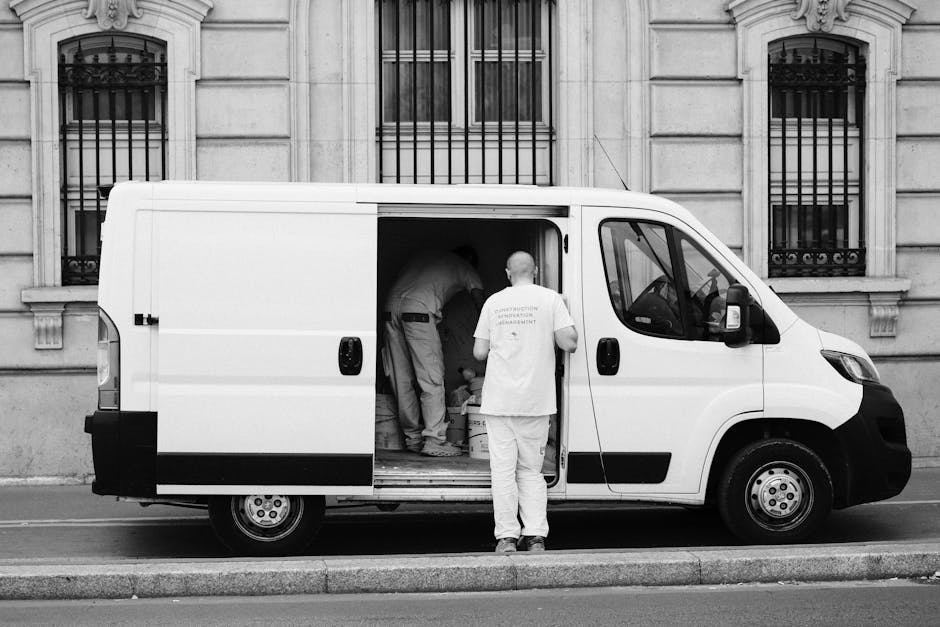
DIY versus professional removals: which is right for you?
Choosing between a DIY move and hiring professionals sounds simple at first. Then the boxes appear, the sofa will not fit through the stairwell, and you realise the removal day is doing its best to become a small life event. The truth is, DIY versus professional removals which is right for you depends on your budget, your schedule, your physical capacity, and how much risk you are willing to carry on the day.
This guide breaks the decision down in plain English. You will see where DIY makes sense, where professional help is worth every penny, and how to avoid the sort of moving-day mistakes that tend to happen when everyone is tired and slightly hungry. If you want a smoother move with less guesswork, this article will help you choose well.
Why DIY versus professional removals which is right for you Matters
A move is not just a transport job. It is timing, planning, lifting, packing, loading, route-finding, parking, and usually a bit of emotional chaos too. If you get the choice wrong, the cost is not only financial. It can show up as damaged furniture, a sore back, missed keys, a delayed handover, or a day that runs long into the evening.
That is why this decision matters so much. DIY removals can save money, yes, but only if you have enough time, the right vehicle, and enough help. Professional removals can cost more upfront, but they often reduce stress, speed up the day, and lower the chance of things going wrong. For many people, the answer is not a strict either-or. It is about finding the right fit for the size and complexity of the move.
Let's face it: moving house is one of those jobs that looks manageable until you are carrying a wardrobe through a narrow hallway. In our experience, the most successful moves are the ones where the plan matches the reality, not the fantasy version we all like to imagine on a Sunday afternoon.
If you are also weighing up whether you need full removal support or something lighter, services such as man and van support or broader removal services can sit neatly between full DIY and a traditional moving crew. That middle ground is often overlooked, but for many households it is the sensible one.
How DIY versus professional removals which is right for you Works
At a basic level, DIY removals mean you arrange the boxes, packing, vehicle hire, loading, transport, and unloading yourself, usually with help from friends or family. Professional removals mean a trained team handles some or all of those tasks for you. The exact level of service can vary a lot.
DIY usually involves:
- finding a van or lorry large enough for your items
- packing and labelling everything yourself
- protecting fragile items with blankets, tape, and padding
- lifting and carrying items safely
- planning parking, access, and the route between addresses
- returning the vehicle after the move
Professional removals usually involve:
- a survey or quote based on your inventory
- packing support, if you want it
- loading and unloading by trained movers
- the right vehicle for the load
- careful handling of awkward or heavy items
- insurance and process controls designed for moving day
If you need flexibility without taking on the whole job alone, options like a removal van or removal truck hire may help bridge the gap. That said, vehicle size is only part of the story. The real issue is often labour, not wheels.
Professional moves can also include specialist help for difficult items such as pianos, office equipment, or bulky furniture. For example, a home office with several desks and monitors may suit office removals, while a heavier instrument is better handled via piano removals. Different jobs, different risks. Simple enough, but easy to miss when you are looking at a pile of boxes and hoping for the best.
Key Benefits and Practical Advantages
There is no universal winner here. Each option brings a different set of advantages. The best choice is the one that supports your move rather than fighting it.
DIY removals can be attractive because:
- they often have a lower upfront cost
- you control the packing order and timing
- you can move gradually if the schedule allows
- they may work well for smaller loads or short distances
- you can use your own packing preferences and materials
Professional removals can be attractive because:
- they reduce heavy lifting and time pressure
- they are better suited to larger homes or complex access
- they can save a great deal of physical effort
- they usually bring better planning and coordination
- they can lower the chance of damage caused by rushed handling
The practical advantage of professional help is not just speed. It is confidence. You know who is loading the van, you know the load is being secured properly, and you are far less likely to discover that the fridge has shifted into the wardrobe halfway down the A13. A bit of drama there, for nobody's benefit.
On the DIY side, the main benefit is control. Some people simply prefer to manage everything themselves, especially if they are moving from a small flat, have a tight budget, or need to stagger the move over a few days. If that sounds like you, a smaller-scale service such as student removals or flat removals may be more relevant than a full-scale house move solution.
Who This Is For and When It Makes Sense
This decision is not only about money. It is about the shape of the move.
DIY removals usually make sense if you:
- have very few items
- are moving locally
- have strong helpers available on the day
- can access a suitable van easily
- are comfortable with a hands-on, physical day
- have plenty of time for packing and unloading
Professional removals usually make more sense if you:
- are moving a whole house or family home
- have bulky, fragile, or valuable furniture
- live in a top-floor flat or a property with awkward access
- are short on time or energy
- need the move done on a specific deadline
- would rather avoid lifting and logistics
There are also situations where professional help is less of a luxury and more of a practical necessity. A business move, for example, often needs coordinated handling of furniture, IT kit, and working hours. In that case, commercial moves or office relocation services can be a much better fit than a DIY plan with borrowed blankets and a lot of hope.
Likewise, if you are moving from a larger family property and want the job handled with structure, you may want to look at house removals or, where appropriate, house removalists. Tiny wording difference, huge difference in day-to-day experience.
Step-by-Step Guidance
Here is a clear way to decide without overthinking it.
- List everything you are moving. Include furniture, boxes, appliances, and awkward items. If your list keeps growing while you write it, that is useful information in itself.
- Estimate the total volume. A one-bedroom flat and a three-bedroom house are not remotely the same problem, even if both start with a kettle and end with a mountain of bin bags.
- Check access at both ends. Stairs, lifts, parking restrictions, narrow doors, distance from the van to the entrance, and traffic all matter.
- Decide how much heavy lifting you can realistically do. Be honest here. Honestly. That sofa may look manageable until you try lifting it at chest height.
- Work out your time window. If you only have a few hours, DIY can become a gamble.
- Compare the real cost. Include vehicle hire, fuel, packing materials, insurance excesses, helper costs, and the value of your time.
- Choose the level of help you need. Full packing, transport-only, loading assistance, or something in between.
- Book early if you need a professional slot. Good schedules fill up quickly, especially around month-end and weekends.
A simple rule of thumb: if the move feels like it will need two or more loads, several hours of heavy lifting, and tightly coordinated timing, professional help usually starts to look better value. If it is a few boxes, a bed frame, and a small sofa, DIY may still be the sensible choice.
For people who want help with the packing side only, packing and boxes and packing and unpacking services can reduce the stress without committing to a full-service move. That can be a very neat compromise, to be fair.
Expert Tips for Better Results
A move goes better when the plan is boringly practical. Not glamorous. Just effective.
- Pack by room, not by mood. Random boxes slow everything down later.
- Label the side of each box. You want labels visible when stacked, not hidden under tape.
- Keep one essentials box separate. Kettle, chargers, toiletries, toilet roll, snacks. The holy items.
- Take photos of cable setups before unplugging anything. It saves a small amount of swearing later.
- Protect corners and glass surfaces. A bit of cardboard and wrap can prevent annoying damage.
- Disassemble furniture early. Waiting until the van arrives is how good intentions become chaos.
- Measure lifts, stairs, and doorways. This one is unglamorous, but it matters more than most people expect.
If you are using a professional team, tell them about access issues in advance. The narrow entrance at the back of a terrace, the basement flat with no lift, the parking bay that looks available but definitely is not. These details change the plan, and a good team will want them before moving day, not after.
For particularly bulky or delicate items, specialist handling can be worth it on its own. Think of a grand piano, a large wardrobe, or a heavy sideboard with old fittings that seem designed to resist modern life. That is where targeted services such as furniture removals and furniture pick-up can make more sense than forcing everything into one DIY load.
Common Mistakes to Avoid
People usually do not fail a move because they are careless. They fail because they underestimate it. Small difference, big consequences.
- Underestimating the volume. Boxes look smaller when they are still on the floor.
- Choosing a van that is too small. Multiple trips can wipe out any DIY savings.
- Forgetting access problems. Parking, stairs, lifts, and loading distance can dominate the day.
- Not protecting items properly. A blanket is not the same as secure packing.
- Relying on helpers who are not available at the last minute. Life happens, as it annoyingly does.
- Leaving packing until the night before. That is how everyone ends up tired and arguing over a lamp shade.
- Ignoring insurance and liability. If something goes wrong, it helps to know where responsibility sits.
One of the most common slip-ups is deciding on DIY because it looks cheaper in isolation. Then the hidden costs arrive: van hire, fuel, packing materials, parking charges, replacement boxes, food for helpers, and the extra day off work. Suddenly the maths has a wobble.
Another one: moving fragile items without a proper plan. A chipped table leg or cracked mirror can be more expensive than the difference between DIY and a trained team. Not always, of course. But often enough to deserve attention.
Tools, Resources and Recommendations
You do not need fancy equipment to move well, but you do need the right basics. Here is the kit that tends to pay for itself:
- strong boxes in mixed sizes
- packing tape and a tape dispenser
- marker pens for clear labels
- bubble wrap or paper for fragile items
- furniture blankets
- ratchet straps or securing equipment for the van
- gloves with a decent grip
- door and floor protection if you are moving through tight spaces
- basic tools for disassembly and reassembly
It also helps to have a digital checklist and a photo record of valuables, serial numbers, and the condition of larger items before the move. That is not overkill. It is sensible.
If your move is happening in stages, storage can take the pressure off. For example, if the new place is not ready yet, or if you are waiting for a room to be cleared, storage may be the missing piece that keeps the whole move from turning messy.
And if you want a more flexible, pay-for-what-you-need approach, it is worth looking at man with a van or man with van arrangements. The right setup depends on load size, stair access, and how much help you want with lifting. No magic formula, really. Just the right fit.
Law, Compliance, Standards, or Best Practice
This topic has a few practical compliance angles, especially around safety, insurance, and fair service expectations. You do not need to become a legal expert to move house, but you do need to know the basics.
If you are doing it yourself: you are responsible for safe lifting, sensible loading, and making sure the vehicle you use is roadworthy and correctly loaded. Overloading a van, blocking visibility, or stacking items unsafely is not just a bad idea. It can create safety risks on the road and at the property.
If you hire professionals: ask about insurance, how belongings are handled, what is included in the quote, and how access issues are managed. Good operators should be able to explain their approach clearly. If the answer sounds vague, that is useful information too.
Best practice also includes honest communication. Tell the mover about stairs, restricted parking, narrow entrances, heavy items, and anything fragile or unusual. It is much better to say, "There is a piano in the basement and the lift is out," than to wait until the van is outside and everyone is staring at the stairwell.
For business moves, it is also wise to plan around continuity, confidential documents, and equipment handling. A tidy process matters. If you need a more structured move, exploring removal companies and removals may help you compare what level of service is actually appropriate.
On the ethical and operational side, a company's policies can also matter. Pages such as health and safety policy, insurance and safety, and recycling and sustainability can give useful reassurance about how a provider thinks beyond the moving day itself.
Options, Methods, or Comparison Table
Sometimes it helps to see the options side by side. This is not about declaring a winner. It is about showing where each method fits.
| Option | Best for | Main strengths | Main drawbacks |
|---|---|---|---|
| Full DIY move | Small loads, local moves, tight budgets | Lower upfront cost, full control, flexible timing | Heavy lifting, vehicle logistics, higher personal workload |
| DIY with van hire | Medium loads where you can provide your own labour | More capacity than a car, still relatively affordable | Still requires packing, loading, lifting, and careful planning |
| Man and van | Smaller homes, flats, single-room moves, short distances | Practical support, quicker than pure DIY, often good value | May not suit very large or complex moves |
| Full professional removals | Large homes, busy households, fragile or bulky loads | Less stress, more structure, trained handling, better efficiency | Higher upfront cost |
There is also a hybrid option worth mentioning. Some people pack themselves, then hire help for loading and transport. Others want movers to handle the heavy furniture but keep the smaller boxes in their own control. That middle path can be a sweet spot, especially if you like to stay hands-on but do not want to wrestle a washing machine down the stairs.
Case Study or Real-World Example
A realistic example helps make the choice clearer.
Imagine a person moving from a two-bedroom flat to a house across town. They have a bed, a sofa, a dining table, several boxes of books, a few fragile items, and a tight completion window. At first, DIY looks attractive because they already know someone with a van. But then they remember the second-floor flat, the narrow stairwell, the parking restrictions outside the new place, and the fact that both adults in the household are working the day before the move. Suddenly the DIY plan becomes a bit fragile itself.
In that scenario, a more structured service would likely save time and reduce the chance of damage. A team can load more efficiently, deal with access issues, and keep the day moving. The couple still saves money by packing their own boxes, but they leave the heavy lifting to people who do it every day. Sensible, really.
Now imagine a student moving from one shared house to another just a few streets away. A few bags, a desk chair, clothes, kitchen items, and a small mattress. DIY or a light-touch service could work very well here, especially if there is a friend with a suitable vehicle. If the move is especially simple, a service such as student removals may be enough without paying for more than you need.
Different move, different answer. That is the whole point.
Practical Checklist
Use this before you decide.
- Have I listed every item that needs moving?
- Do I know the approximate size of the load?
- Is there easy parking at both addresses?
- Are there stairs, lifts, or narrow turns?
- Can I physically lift the heaviest items safely?
- Do I have enough helpers, and are they actually available?
- Have I counted the real cost of DIY, including van hire and fuel?
- Do I need packing help, storage, or specialist handling?
- Would a flexible option such as a man and van be a better fit?
- Do I need the move completed on a fixed timeline?
If you answer "no" to several of the access, labour, or timing questions, professional help is probably the safer choice. If you answer "yes" to most of them and the load is light, DIY may still be fine. There is no badge for doing everything the hard way.
Get a free quote today and see how much you can save.
Conclusion
So, DIY versus professional removals: which is right for you? The honest answer is that it depends on the size of the move, the access, the time you have, the help available, and how much stress you are willing to carry alongside the boxes.
DIY works well when the load is modest, the distance is short, and you have plenty of hands. Professional removals tend to win when the move is larger, tighter, riskier, or simply too important to leave to guesswork. And in between those two sits a useful middle ground: van hire, man and van support, packing help, or a tailored service level that gives you exactly what you need and not much else.
If you plan carefully, stay realistic, and choose the level of help that fits the actual move, the day becomes much easier. Not perfect. Moving days rarely are. But manageable, and that counts for a lot.
Sometimes the best move is the one that lets you breathe a little once the last box is in place.
Frequently Asked Questions
Is DIY moving always cheaper than professional removals?
Not always. DIY can be cheaper upfront, but once you add van hire, fuel, packing materials, parking, and the value of your time, the difference can shrink. For larger or more complex moves, professional help may represent better overall value.
When is a man and van better than full DIY?
A man and van service is often a good middle option for flat moves, smaller house moves, or loads that are awkward to move alone. It reduces the lifting burden without committing you to a full removal team.
What size move is realistic for DIY removals?
DIY usually suits small moves, such as a studio flat, a few items of furniture, or a local move with light access issues. Once you reach multiple rooms, heavy furniture, or limited time, the job becomes much harder to manage safely.
Do professional removals include packing?
Sometimes they do, sometimes they do not. Many providers offer packing as an optional extra, while others focus on loading, transport, and unloading. If packing support matters to you, ask before booking so you know exactly what is included.
What if I only need help with heavy furniture?
That is a common situation. You may not need a full service if you can handle the smaller boxes yourself. Focus on support for bulky items such as wardrobes, sofas, or specialist pieces, and leave the rest to your own schedule.
Is DIY moving risky for fragile items?
It can be, especially if you do not have proper packing materials or secure loading equipment. Glass, mirrors, antiques, artwork, and electronics are usually safer when packed and loaded with care by experienced movers.
Should I choose professional removals for a flat move?
Not automatically, but flat moves often involve stairs, lifts, parking limits, and tight corridors. If any of those factors are difficult, a professional service can save a lot of hassle. For simpler moves, DIY or a lighter service may be enough.
How early should I book professional removals?
As early as you can, especially if you are moving at month-end, on a weekend, or during a busy season. Good availability can disappear quickly, and leaving it late can reduce your options.
What should I check before hiring a removal company?
Check what is included in the quote, whether insurance is in place, how access issues are handled, and whether the company explains its process clearly. A good provider should be straightforward about expectations, timing, and responsibilities.
Can I mix DIY packing with professional transport?
Yes, and many people do. Packing your own boxes while hiring professionals for lifting and transport can be a practical compromise. It helps you keep some control without carrying the whole load yourself.
What is the biggest mistake people make when choosing between DIY and professional removals?
The biggest mistake is underestimating the move. People often focus on the number of boxes and forget about access, weight, time pressure, and hidden costs. Once those are factored in, the better choice usually becomes much clearer.
Are storage and removals often used together?
Yes. Storage can be very helpful if there is a gap between properties, if renovations are not finished, or if you want to move in stages. It can make the whole process feel far more manageable.
How do I know which option is right for me?
Ask yourself three questions: how much do I need to move, how hard will access be, and how much time and help do I really have? If the honest answer suggests stress, heavy lifting, or a tight deadline, professional removals are often the better fit. If the move is light and simple, DIY may be perfectly reasonable.