How to Safely Move a Piano and the Dangers of Doing It Alone
How to Safely Move a Piano and the Dangers of Doing It Alone
Moving a piano is a challenging and intricate task that requires meticulous planning, physical strength, and specialized knowledge. Pianos are not only heavy and awkwardly shaped but also delicate instruments. A single wrong move can result in severe damage to the instrument, your property, or even personal injury. In this comprehensive guide, we will cover how to safely move a piano, explore the various risks involved in moving it by yourself, and provide tips and best practices to ensure a smooth relocation. If you're contemplating DIY piano moving, this article is a must-read to prevent costly mistakes and hazards.
Understanding the Complexity of Moving a Piano
Whether you own a concert grand, baby grand, upright, or spinet, every type of piano presents unique challenges during relocation. Pianos typically weigh between 300 to 1,200 pounds and contain thousands of intricate moving parts, including strings, hammers, and keys that require extra care.
- Upright Pianos: Compact and vertical in design, usually 300 to 800 pounds.
- Grand Pianos: Larger, horizontal frame, ranging from 500 to 1,200 pounds.
- Baby Grand Pianos: Slightly smaller, 500 to 800 pounds.
- Spinet and Console Pianos: Smallest type, up to 300 pounds.
Pianos are not just heavy - they're also structurally vulnerable. The slightest impact, abrupt movements, or instability can greatly affect their internal components and overall sound quality. That's why moving a piano safely demands expertise, the right tools, and careful execution.
Risks and Dangers of Moving a Piano Alone
1. Personal Injury
The most significant danger of moving a piano alone is the risk of physical injury. Pianos' sheer weight and awkward shape make them difficult to maneuver, especially through stairs, narrow doorways, and tight corners. Improper lifting can result in:
- Back strains and sprains
- Muscle tears
- Herniated discs
- Finger, hand, and foot injuries
- Pulled or torn ligaments
2. Damage to the Piano
Moving your piano without professional help can lead to substantial damage, including:
- Cracked legs, pedals, or casing
- Broken strings or tuning pins
- Dislodged keys or internal mechanisms
- Irreparable soundboard damage
These damages can drastically reduce your piano's value and lead to expensive repairs or even permanent loss.
3. Property Damage
Attempting to move a piano solo can also leave your home vulnerable to damage:
- Scratches and dents in floors and walls
- Damaged door frames and stairs
- Broken tiles or hardwood planks
- Chipped paint or plaster
4. Lack of Proper Equipment
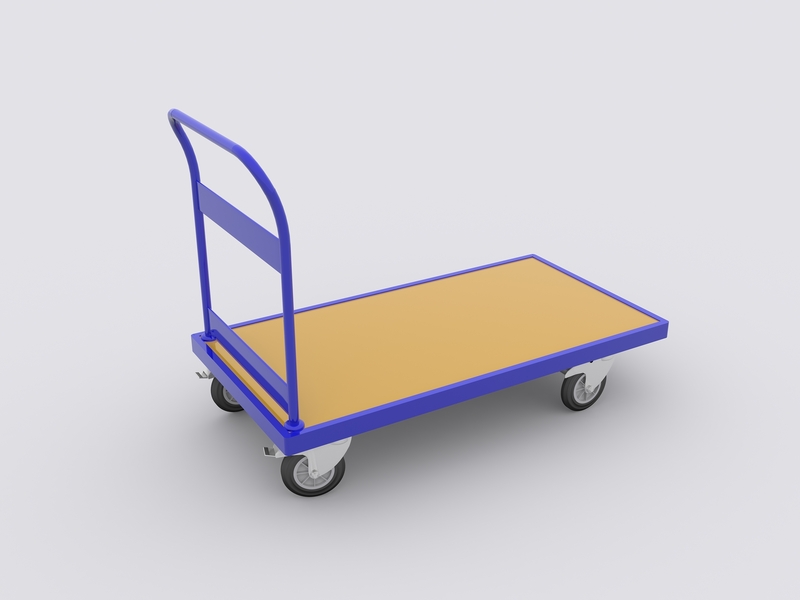
Professionals use specialized piano moving equipment such as piano dollies, straps, skid boards, ramps, and protective padding. Without these tools, you risk dropping or tipping the piano, causing both injury and damage.
5. Insurance and Liability Issues
When moving a piano alone, your homeowner's insurance might not cover damages or injuries related to improper moving techniques. On the other hand, experienced piano movers carry insurance, protecting you from unexpected costs.
Step-by-Step Guide: How to Move a Piano Safely
If you're committed to moving your piano yourself (and have enough help), follow this expert, step-by-step process to minimize the risks:
1. Assess the Move and Your Abilities
- Measure your piano's dimensions and weight.
- Map out the route, including doorways, stairs, and tight corners.
- Clear potential obstacles along the path.
- Consider your own strength and the number of helpers available (ideally 3-5 adults).
If the task seems too daunting at any point, do not hesitate to call professional movers.
2. Gather the Right Equipment
- Piano dolly or skid board (specific for upright or grand pianos)
- Heavy-duty furniture straps
- Thick moving blankets or padding
- Work gloves with good grip
- Stair ramps (if navigating stairs)
- Measuring tape
- Tape and plastic wrap (for securing padding)
3. Prepare the Piano
- Close and lock the keyboard lid.
- Remove and separately wrap detachable pieces (legs, pedal assembly, music stands, etc.).
- Wrap the piano entirely in moving blankets and secure with tape or straps.
4. Protect Your Property
- Lay down floor protection (cardboard or heavy cloth).
- Remove doors, if necessary, for extra clearance.
- Pad door frames and corners along the route.
5. Lifting and Moving
- Use proper lifting techniques--bend at the knees, keep your back straight, and lift with your legs, not your back.
- Always keep the piano in an upright position; never tilt or set on its side.
- Secure the piano to the dolly using moving straps.
- Move slowly and communicate constantly with your team.
- Take special caution at stairs or ramps--use as many helpers as needed for balance and control.
6. Loading and Transporting
- Only use a vehicle (moving truck or van) with a sufficiently strong ramp and tie-down points.
- Keep the piano upright in the truck, away from objects that may fall or shift.
- Secure the piano firmly with ratchet straps to prevent movement during transit.
7. Unloading and Placement
- Use the same care and equipment when unloading the piano.
- Place the piano in its new spot, away from direct sunlight, vents, or fluctuating temperatures.
- Reassemble removed parts and check for any damage.
Remember: After every piano move, a professional piano tuning is necessary!
Top Reasons to Hire Professional Piano Movers
Even if you're tempted to go the DIY route, hiring professional piano movers often proves the safest and most economical choice. Here's why:
- Expertise: Professional piano moving services have experience with all piano types, obstacles, and complex moves.
- Equipment: Movers arrive with the latest tools and trucks designed for piano transportation.
- Teamwork: Crews are trained in communication, lifting, and maneuvering heavy loads safely.
- Insurance: Your piano and property are protected in the rare event of damage.
- Efficiency: Professionals can save you hours of physical labor and potential setbacks.
How Much Does It Cost to Move a Piano?
The cost of professional piano moving varies depending on the size and weight of your piano, distance of the move, number of stairs, and any additional challenges. On average, moving a piano locally with professionals can range from $150 to $500 for upright pianos and $300 to $1,000 for grand pianos. Long-distance moves will increase the cost.
What Impacts the Price?
- Piano size and type
- Distance (local vs. long-distance)
- Stairs or other obstacles
- Number of movers required
- Insurance or special handling needs
While this may seem pricey at first, the expense is minor compared to the possible cost of repairing a damaged piano or suffering an injury.

Piano Moving Safety Tips
- Never move a piano alone. Always have a team of at least 3-5 strong, able-bodied adults for support.
- Plan your route in advance. Measure all spaces, clear the path, and remove potential hazards.
- Wear proper clothing and footwear. Opt for closed-toe, non-slip shoes with good traction.
- Use appropriate equipment. Don't substitute with makeshift tools.
- Take your time. Rushing increases the risk of mishaps.
- Communicate clearly with your helpers. Assign roles, use agreed-upon signals, and work as a team.
- If in doubt, hire professional movers. Your safety and your piano's condition are worth the investment.
Conclusion: Is Moving a Piano Yourself Worth the Risk?
Moving a piano is not a typical DIY task. The complexities, dangers, and potential for irreparable damage mean that it's rarely worth the risk to move a piano by yourself. While it's possible with the right knowledge, tools, and lots of help, the odds of something going wrong are high.
Whether you are moving across town or just repositioning your piano within your home, the safest and most effective option is to hire experienced piano movers. If you must do it yourself, prioritize safety, prepare thoroughly, and never attempt to move a piano alone.
Protect your investment, your home, and your health by making piano moving safety your top priority.
For more information on how to safely move a piano or to schedule a professional moving service, contact your local piano moving experts today.