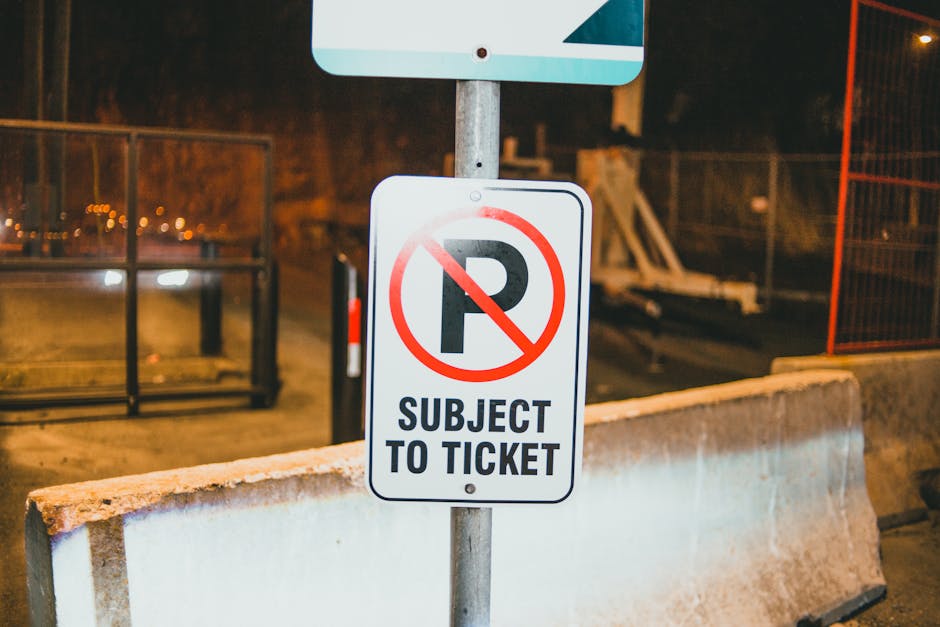
Removal permits parking and council rules explained for moves

If you are trying to organise a move, parking can become the bit that quietly causes the biggest headache. A van turns up, the road is tight, there's nowhere obvious to stop, and suddenly everyone is asking the same question: do we need a permit, and what do the council rules actually mean? This guide on Removal permits parking and council rules explained for moves gives you the practical version, not the fluffy one. It covers what a parking permit is, why councils care, how the process usually works in the UK, and how to avoid the sort of last-minute problems that can turn a simple move into a long afternoon of stress. Let's face it, nobody wants to start moving day with a parking ticket.
Whether you're moving house, shifting out of a flat, or arranging a business relocation, the parking side matters more than people think. A little planning can save time, protect your budget, and make the whole day feel calmer from the first box to the last kettle.
- Why removal parking permits matter
- How council permits and restrictions usually work
- Key benefits and practical advantages
- Who needs this and when it makes sense
- Step-by-step guidance
- Expert tips for a smoother move
- Common mistakes to avoid
- Tools, resources and recommendations
- Law, compliance and best practice
- Options and comparison table
- Real-world example
- Practical checklist
- Conclusion
- Frequently asked questions
Why Removal permits parking and council rules explained for moves Matters
Parking is not just a convenience on moving day. It is part of the job. If the van cannot stop close to the property, loading takes longer, more lifting is needed, and the risk of damage goes up. In built-up areas, especially across London and other busy UK streets, that can be the difference between a smooth handover and a day full of unnecessary delays.
Council rules exist because moving vehicles can block traffic, affect residents, and create safety issues on narrow roads. Some streets have controlled parking zones, suspended bays, time restrictions, loading limits, or permit-only spaces. If you ignore those rules, the result can be fines, complaints, or a forced change of parking location halfway through the job. Not ideal. Not even slightly.
What people often miss is that a removal permit is not always about permission to park anywhere. Sometimes it is about reserving a space, sometimes it is about exempting a vehicle from a restriction for a limited time, and sometimes it is about using a bay legally during a move. The details vary by council, so the safest approach is to check the rules for the exact street or postcode involved.
For anyone using services like home moves or flat removals, that planning step is worth doing early. A few minutes of preparation can save an hour of faffing around with hazards on and the clock ticking.
How Removal permits parking and council rules explained for moves Works
At a practical level, the process usually starts with identifying where the removal van will need to stop. Then you check whether that road is regulated by the council, a private parking operator, or both. The kind of permission needed depends on the location, the length of stop, and whether the vehicle will be loading only or parked for a longer stretch.
Most councils use one or more of these arrangements:
- Resident permit bays where only permit holders can park during set hours.
- Controlled Parking Zones where parking is restricted unless signs allow it.
- Loading bays that may allow short-term stopping for active loading and unloading.
- Suspended bays that can be temporarily reserved for moving equipment or vehicles.
- Waiting restrictions such as double yellow lines, which may still allow brief loading in some circumstances, depending on local rules and active loading conditions.
Now, the wording matters. A council may call it a suspension, a dispensation, a parking waiver, or a special permit. Different names, same basic idea: you are asking for formal permission or a formal exemption so the removal vehicle can stop legally and safely.
Timing matters too. Some councils need notice in advance. Others can process straightforward requests more quickly, but that is never something to assume on the morning of the move. If your building management, landlord, or housing association has its own rules as well, you may need two layers of approval. Bit of a pain, yes, but it is better than discovering that the only place the van can stop is five doors down and across a busy road.
If you are booking a larger vehicle such as a removal truck hire or a smaller option like a removal van, the size of the vehicle can affect the parking plan. Bigger vehicles may need more space, better access, and more time to load safely.
Key Benefits and Practical Advantages
Getting the parking side right is not just about compliance. It has very real practical benefits that show up during the move itself.
1. Faster loading and unloading. The closer the vehicle can get, the fewer steps your team needs to take. That sounds obvious, but on a rainy stairwell or a cramped city street, every extra trip matters.
2. Lower risk of damage. Long carries increase the chance of scuffs on door frames, dropped boxes, and tired lifting at the worst possible moment. A well-placed vehicle reduces that risk.
3. Fewer delays. If a road is busy or parking is contested, a pre-arranged permit helps prevent awkward waiting around while someone circles the block for the fifth time. Nobody enjoys that.
4. Better teamwork. When the van has a legal spot close by, the crew can work in a clean rhythm. You will notice the move feels less chaotic.
5. Reduced chance of penalties. Councils can enforce parking restrictions quickly. A permit or official arrangement lowers the chance of a ticket, complaint, or forced relocation of the vehicle.
6. More predictable moving-day timing. If you are trying to hand over keys, meet a landlord, or fit a narrow completion window, predictability is gold.
There is also a quieter benefit: peace of mind. Once the parking plan is sorted, people tend to breathe a bit easier. The kettle gets packed. The hallway empties. The day starts to feel manageable again.
Who This Is For and When It Makes Sense
This matters for far more people than first-time movers realise. If your move involves any street parking challenge at all, it is worth checking the rules.
- House movers in streets with controlled parking or narrow access.
- Flat movers where lifts, stairwells, or communal entrances make nearby stopping essential.
- Landlords and letting agents arranging end-of-tenancy clear-outs.
- Students moving in and out of shared houses with tight street layouts.
- Businesses relocating office equipment, desks, and files from busy commercial areas.
- Anyone using a larger van that needs clear loading access.
It especially makes sense when:
- the street has permit-only parking during the day;
- you expect the move to take more than a quick load;
- the property is on a main road or in a busy city centre;
- the access point is behind a building or down a narrow lane;
- you are moving valuable or fragile items and want the shortest carry possible.
For example, a second-floor flat in a terraced London street can be completely different from a suburban house with a driveway. Same move type, very different parking reality. And that reality decides how smooth your day feels.
Step-by-Step Guidance
Here is a straightforward way to handle parking and council rules without overcomplicating it.
- Check the address and street conditions. Look at the exact property, not just the postcode. One side of a road can have different restrictions from the other.
- Read the signs carefully. Street signs tell you much more than people expect. Hours, permit types, loading allowances, and suspension notices all matter.
- Ask whether a permit or dispensation is needed. If the move will involve stopping in a restricted bay or controlled zone, contact the relevant council or property manager in advance.
- Confirm the vehicle details. Some arrangements depend on the van size or registration. Make sure the booking information is accurate.
- Build in time for the permit process. Do not leave it until the night before unless you enjoy unnecessary drama. Truth be told, very few people do.
- Coordinate with your removals team. Tell them about access limits, stair counts, narrow roads, and any loading restrictions. A good crew can plan around that.
- Arrange backup parking if needed. If the ideal spot is unavailable, know the nearest sensible alternative before the van arrives.
- Keep proof handy. Save the permit confirmation, reference number, or any council correspondence so it can be shown if needed.
If you are using removal services for a larger move, this step-by-step approach becomes even more useful because the crew can arrive ready for the real conditions, not an optimistic guess.
One small but valuable habit: stand outside your property at the same time of day as the move, if possible. Traffic, school runs, resident parking, and delivery vehicles all change the feel of a street. It sounds simple. It is simple. And it helps.
Expert Tips for Better Results
After enough moves, you start noticing the same winning habits again and again. Nothing fancy. Just sensible planning.
- Book parking permission as soon as your move date is firm. Councils and building managers are less helpful when you are rushing.
- Send exact details, not rough guesses. Include house number, street name, date, time window, and vehicle type.
- Use the loading bay properly. If the space is for active loading only, keep goods moving. Do not use it as a casual waiting spot.
- Protect the timetable. Parking issues ripple into the rest of the move. A delayed van can affect cleaners, key handover, and travel plans.
- Plan for weather. Rain makes short carries feel longer, and wet pavements slow everything down. A bit of extra slack helps.
- Tell neighbours if access will be tight. A quick note can stop surprises and reduce complaints. Small thing, big difference.
Here is one simple truth: the best parking plan is the one nobody has to think about on the day. It quietly works in the background while everything else gets done.
If your move involves furniture that needs careful handling, it can also help to review furniture removals planning so you know which items should be loaded first and how much space the vehicle really needs. That little bit of foresight can save a lot of carrying back and forth.
Common Mistakes to Avoid
A few avoidable mistakes come up over and over. The good news is that once you know them, they are easy enough to sidestep.
- Assuming a permit is automatic. It usually is not. A request often needs to be made in advance.
- Checking the wrong street rules. One side street may have different restrictions from the road outside the front door.
- Ignoring private enforcement. Some areas have private parking rules in addition to council restrictions.
- Leaving it too late. Last-minute requests can be difficult, especially if a suspension or formal arrangement is needed.
- Forgetting the vehicle size. A permit that works for a small van may not make sense for a larger truck or longer vehicle.
- Not telling the removals team. If the crew arrives expecting free access and finds a tight loading spot, everything slows down.
Another common one? People sometimes rely on memory from a previous move. Maybe parking was easy last time, so they assume it will be fine again. But rules change, road layouts change, and councils do update restrictions. What was fine two years ago may be awkward now.
And yes, sometimes the issue is simply human optimism. We all do it. "It'll be fine." Famous last words, really.
Tools, Resources and Recommendations
You do not need a complicated system, but a few practical tools make life easier.
- Address and postcode notes. Keep the exact pickup and drop-off details in one place.
- Calendar reminders. Put permit deadlines, move dates, and key handover times in your phone.
- Photos of the street. A couple of images of the parking area can help the removals team assess access before the day.
- Box labels. Clear labelling helps the unloading side go faster, which matters when parking time is limited.
- Inventory list. This is especially useful for office moves or larger homes where the loading order matters.
If you are comparing moving help, it can be useful to look at man and van options alongside fuller removals services. The right choice depends on access, item volume, and how much support you want on the day.
For people moving from a smaller property, a service like student removals may suit tighter budgets and shorter journeys, while a bigger family or office move may need more structured planning. Different jobs, different parking pressures. Fair enough.
Law, Compliance, Standards, or Best Practice
Parking rules are not just suggestions. They are part of local traffic and access control, and councils generally enforce them through the signage and restrictions in place on the street. That means your duty is to check the situation before the move and follow the conditions given for any permit, dispensation, or suspension.
From a best-practice point of view, a sensible removal plan should cover three things:
- Legal parking position - where the vehicle is allowed to stop.
- Safe loading access - space for moving items without blocking pedestrians or traffic unnecessarily.
- Clear responsibility - who is arranging the permit, who has the confirmation, and who can show it if asked.
In the UK, councils may have different naming conventions and service rules, so the exact procedure can vary. Some will ask for notice, some will ask for vehicle registration, some may ask for proof of move, and some may be stricter in busy areas. The safest approach is to treat every location as its own case rather than assuming a national rule applies everywhere.
It is also worth remembering that private car parks, housing developments, and managed estates may have their own enforcement practices. Even if the council would be relaxed, the site operator might not be. That distinction catches people out more often than it should.
Best practice is simply this: check early, keep evidence, communicate clearly, and never assume loading means free parking. It may allow stopping in certain circumstances, but you should still confirm the specific local rule.
Options, Methods, or Comparison Table
There is more than one way to handle parking for a move. The right option depends on the street, the size of the vehicle, and how much time you have.
| Option | Best for | Pros | Watch-outs |
|---|---|---|---|
| Standard street parking | Low-restriction roads with plenty of space | Simple, no extra admin | Can be risky in busy or permit-only areas |
| Council permit or dispensation | Controlled zones and tighter streets | More secure access, less chance of penalties | May need advance notice and accurate details |
| Suspended bay | Moves needing a reserved space close to the property | Very practical for loading and unloading | Approval can take time and may involve restrictions |
| Off-street driveway or private forecourt | Homes with private access | Least disruption, easiest loading | Not available on many streets or in flats |
| Alternative nearby parking | When direct access is blocked | Useful backup plan | Longer carry distances, more time needed |
In practice, many moves use a mix of these methods. You might have a reserved space for the main load, then use nearby legal parking for a quick top-up or final collection. Flexibility helps, but only if it is planned rather than improvised.
Case Study or Real-World Example
Here is a realistic example. A small family is moving from a third-floor flat in a Victorian terrace to a house across town. The street outside the flat is a controlled parking zone with limited daytime availability, and the loading area is usually busy with residents' cars and deliveries.
Instead of leaving parking to chance, they check the local restrictions two weeks before the move. They also speak to the building manager about access for the communal entrance and confirm the likely loading window with their removals team. On moving day, the van arrives close to the property, the crew loads in a steady rhythm, and the whole job finishes without any parking drama. No tickets, no shouting, no awkward reshuffling of boxes halfway down the street.
What made the difference? Not luck. Planning.
That same plan would be even more useful for a larger job, such as an office relocation, where desks, IT equipment, and filing units all need precise timing. If you are moving work premises, services like office relocation services and commercial moves are often worth reviewing early because parking access and time windows can be much tighter than a normal residential move.
Practical Checklist
Use this checklist before moving day. It is short, but it covers the bits that matter.
- Confirm the exact pickup and drop-off addresses.
- Check street signs and restrictions at both ends of the move.
- Ask whether a council permit, dispensation, or suspension is needed.
- Book any required permission in advance.
- Share the parking plan with the removals team.
- Note the vehicle size and registration details if required.
- Keep permit confirmation or reference numbers easy to access.
- Arrange a backup parking option nearby.
- Tell neighbours or building management if access will be disrupted.
- Allow extra time if the street is busy, narrow, or weather affected.
Expert summary: If the move depends on street parking, treat the permit as part of the move itself, not as an optional extra. Sort the parking first, and the rest of the day usually feels much easier.
Conclusion
Removal parking rules can seem like a side issue until the van arrives and you realise the nearest legal space is three streets away. That is why understanding Removal permits parking and council rules explained for moves is so useful. It helps you stay compliant, reduce delays, and keep the move calm enough to manage without constant firefighting.
The main idea is simple: check the rules early, confirm what the council or property manager expects, and make sure the vehicle can stop legally and safely. Once that is in place, everything else - the boxes, the stairs, the furniture, the timetable - becomes much easier to handle.
Get a free quote today and see how much you can save.
And if you are still in the planning stage, that is actually a good thing. It means you have time to get it right, and a move that starts well usually ends that way too.
Frequently Asked Questions
Do I need a parking permit for removals in the UK?
Not always, but often in controlled parking zones, permit-only streets, or tight urban areas. It depends on the exact road, the local council rules, and whether the vehicle will be stopping for loading or parking longer term.
Who usually arranges the removal parking permit?
It varies. Sometimes the customer arranges it directly, sometimes the building manager helps, and sometimes the removals company can guide the process. The important thing is to agree who is responsible early on.
How far in advance should I check council parking rules?
As early as possible once the move date is fixed. A few days may be enough for simple cases, but more complex streets or suspended bays can need longer. Leaving it until the last minute is risky.
Can a removal van stop on double yellow lines?
Possibly for active loading in some situations, but that depends on local rules and whether the loading is genuine, immediate, and allowed. Do not assume it is fine. Always check the street signs and local guidance first.
What happens if I park illegally on moving day?
You could receive a penalty, be asked to move the vehicle, or face delays if enforcement arrives. It also makes the loading process slower and more stressful, which is the last thing anyone needs on moving day.
Are council parking permits the same everywhere?
No. Councils can use different names, forms, notice periods, and conditions. The overall idea is similar, but the practical rules can vary quite a bit from one area to another.
Do I need a permit for a very short move?
Sometimes, yes. Even a short move may still require permission if the street is restricted. A quick load is not automatically exempt, so it is worth checking even if you think the job will only take an hour.
What should I tell the removals team about parking?
Tell them the address, likely parking spot, any restrictions, vehicle access issues, and whether a permit has been arranged. The more accurate the detail, the easier it is for them to plan the day properly.
Can parking problems delay my move?
Absolutely. If the van cannot stop near the property, loading takes longer and the whole timetable can slip. In busy areas, that can affect key handover times and other bookings later in the day.
Is parking planning different for office moves?
Yes, often more so. Office moves may involve larger vehicles, stricter building access, loading bays, service lifts, and tighter time windows. Parking should be coordinated alongside building management and the removals schedule.
What if my building has its own parking rules as well as the council?
Then both sets of rules matter. Private estates, apartment blocks, and managed sites can have separate conditions from the council. You need to follow whichever is stricter and get the necessary permission from both sides if needed.
What is the safest way to avoid parking fines during a move?
Check the signs, confirm whether a permit or dispensation is needed, keep written proof handy, and make sure the removals team knows the plan. It sounds simple because, frankly, it is - but simple done early is what saves the day.