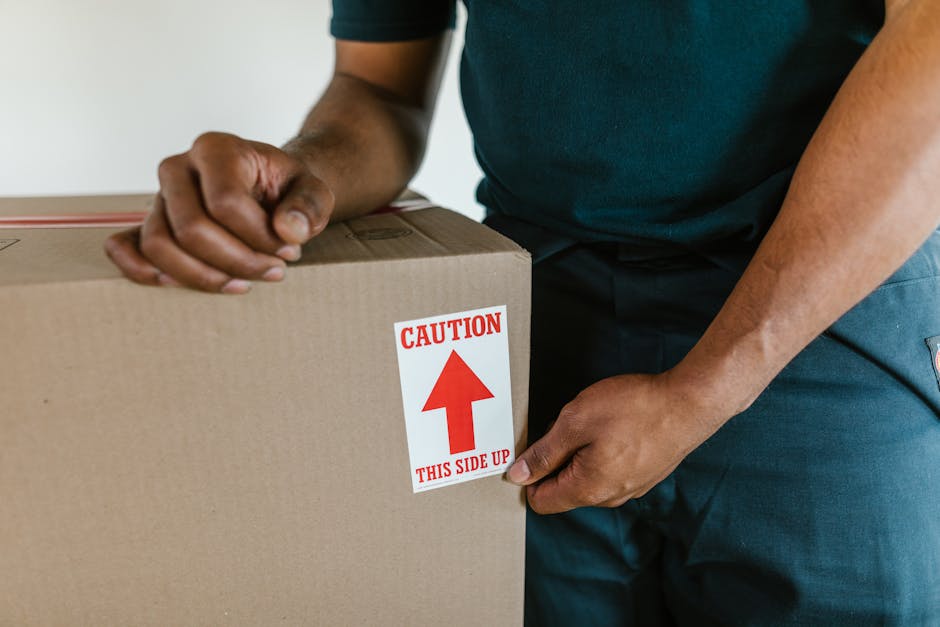
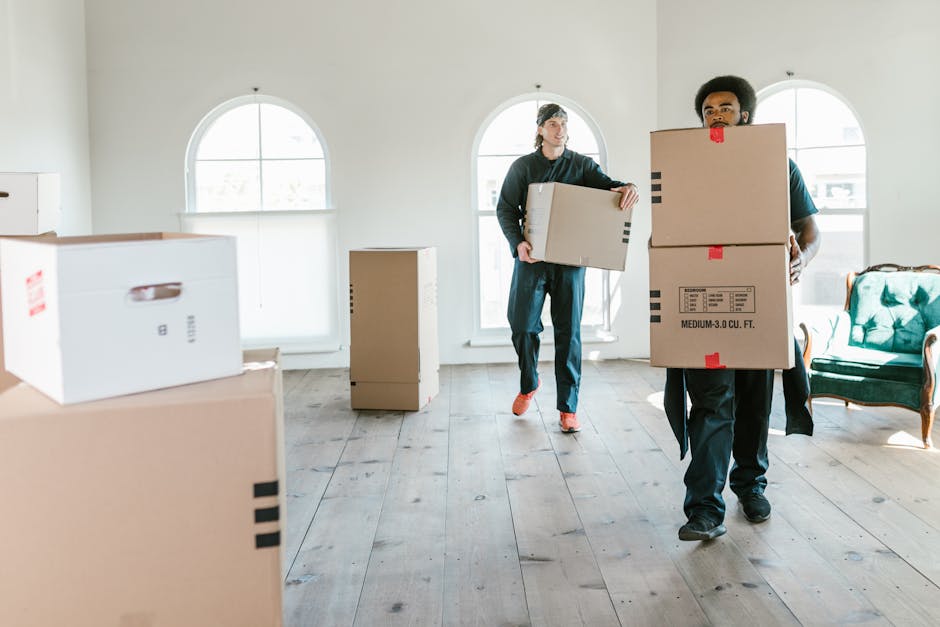
What to Expect on Moving Day with Professional Removals Teams
Moving day has a habit of feeling bigger than it should. The boxes are stacked, the kettle is packed somewhere questionable, and suddenly every small task seems to matter. If you've booked professional removals teams, though, the day becomes much more manageable. You are not just paying for a van and a few strong arms; you are buying structure, pace, and a calmer way through what can otherwise be a chaotic day.
This guide explains what to expect on moving day with professional removals teams, from the first knock on the door to the final box being set down at the new place. It also covers the things people often forget to plan for, what good removals crews typically do, and how to make the day run smoother without turning yourself into a project manager. Truth be told, a little preparation goes a long way.
If you are still comparing service types, it can help to look at the wider picture too. A good starting point is the site's services overview, along with more specific pages such as house removals in Lee and flat removals for tighter access moves. They give you a useful sense of what different kinds of moves usually involve.
Table of Contents
- Why this matters on moving day
- How the day usually works
- Key benefits and practical advantages
- Who this is for and when it makes sense
- Step-by-step guidance
- Expert tips for better results
- Common mistakes to avoid
- Tools, resources and recommendations
- Law, compliance and best practice
- Options, methods and comparison table
- Case study or real-world example
- Practical checklist
- Conclusion
- Frequently asked questions
Why What to Expect on Moving Day with Professional Removals Teams Matters
Knowing what to expect matters because moving day is usually the point where plans either hold together or start to wobble. You may have packed for weeks, but the actual move is where timing, access, lifting, transport, and communication all meet at once. If one part slips, the whole day can feel ten times harder than it needs to be.
Professional removals teams bring more than manpower. They bring order. In practice, that usually means a sensible loading sequence, awareness of fragile items, careful handling in awkward hallways, and the kind of calm that comes from doing this every day. If you've ever tried to carry a wardrobe down a narrow stairwell while your neighbour politely pretends not to watch, you'll understand why that matters.
It also helps to understand the flow of the day so you can prepare your home and your own expectations. Many people assume removals teams will simply turn up, load everything, and disappear. Sometimes it really is that straightforward. More often, there are parking considerations, access notes, lift bookings, or a last-minute decision about which box contains the tea bags. Small things, but they add up.
For anyone trying to keep the process calm and well-organised, a few related guides can help with the background work before the van arrives: packing wisely for your big move, cutting clutter before you move, and moving house without the usual stress. They fit neatly into the preparation stage, which is where a lot of stress is won or lost.
How What to Expect on Moving Day with Professional Removals Teams Works
The moving-day process is usually more structured than people expect. A professional team will often follow a sequence that protects your belongings, keeps the job efficient, and reduces avoidable damage. While every company works a little differently, the core steps are fairly consistent.
First comes arrival and a quick check-in. The crew may confirm the moving address, assess access, ask about fragile or high-value items, and clarify anything that changed since the quote. This is one of those moments where clear communication pays off. If a sofa no longer fits through the door you thought it would, better to say so early.
Next comes protection and preparation. That may include blankets, straps, trolleys, floor runners, and wrapping for specific pieces. Some providers also offer a useful "pack your items and wait for us to come" style service, which you can see explained on the page for packing your items and waiting for collection. That approach works well if you want a more hands-off moving day.
Then the loading starts. Good teams tend to load heavier, sturdier pieces first, then fit smaller boxes and loose items around them to reduce movement during transit. There is a method to it, even if it looks like organised chaos from the doorway. Fragile items, electronics, mirrors, and awkward furniture are usually handled with extra care and kept secure in the van.
After loading, the team will travel to the new property or storage location. If timing matters, some customers prefer specific delivery windows, which is where a service such as delivery at a time that suits you becomes especially useful. On arrival, the unloading usually mirrors the loading process in reverse, with heavier furniture going in first and boxed items placed into the rooms you've labelled. Ideally. Labels do help, honestly.
Finally, there's a brief wrap-up. Depending on the service, the team may check for missed items, confirm the move is complete, and talk through any issues that arose. If there is storage involved, items may be taken to a secure facility instead of straight to the new home. The site's storage options are worth a look if your timeline is split or your completion dates do not line up neatly.
Key Benefits and Practical Advantages
The obvious benefit is less physical strain. But the real value of hiring professional removals teams is broader than that. You gain control, consistency, and a better chance of finishing the day without that unpleasant combination of exhaustion and regret.
- Reduced lifting risk: Trained teams know how to move heavy, bulky, or awkward items with fewer mishaps.
- Faster loading and unloading: Experienced crews are typically much more efficient than an improvised DIY move.
- Better protection for belongings: Proper wrapping, stacking, and securing reduce scratches and knocks.
- Less disruption: A structured process can keep hallways, stairwells, and loading areas clearer.
- More predictable timing: That matters if you are handing keys over, meeting a landlord, or coordinating access.
There's also a subtle benefit that people only notice on the day itself: mental bandwidth. When you are not juggling lifting, packing, parking, and route planning all at once, you can focus on the important calls and the practical details. You can actually check that the meter readings are taken, or that the freezer is unplugged, or that your cat is not plotting an escape. Small things. Big difference.
For larger or more delicate items, specialist support can make an even bigger impact. A furniture removals service can help with bulky wardrobes and sofas, while piano removals require a very different level of handling, planning, and care. If you are moving a bed setup as part of the load, this article on moving a bed and mattress safely is worth bookmarking.
Who This Is For and When It Makes Sense
This kind of move makes sense for a surprisingly wide range of people. It is not just for families with a full house of furniture. In fact, some of the best-fit customers are those with a move that looks simple on paper but turns out to be a pain in real life.
You may benefit from professional removals teams if you:
- have a full house move with furniture, white goods, and many boxes;
- live in a flat with stairs, lifts, or access restrictions;
- are moving on a tight schedule or same-day timeframe;
- need help with heavy or specialist items;
- are relocating from a rental and need to hand the property back clean and on time;
- simply don't want the physical strain and stress of doing it yourself.
Students and first-time movers often find that even a smaller move benefits from proper support, especially if there are awkward routes, no parking directly outside, or a lot of boxes in a limited time window. That's one reason services such as student removals in Lee and same-day removals exist as distinct options rather than one-size-fits-all solutions.
If you are the kind of person who likes to compare approaches before committing, it can also help to read about man with van services in Lee versus fuller removals support. The right choice depends on volume, complexity, and how much of the heavy lifting you want to handle yourself. To be fair, there is no prize for doing the hardest version of the move.
Step-by-Step Guidance
Here is the moving-day flow in practical terms. This is the part many readers want most, because it turns the unknown into something manageable.
- Get ready before the team arrives. Keep pathways clear, secure pets, and separate anything you are taking yourself, such as passports, chargers, keys, and medication.
- Do a quick arrival briefing. Point out fragile items, explain any access quirks, and confirm which rooms are going and which items are staying.
- Protect the property. Good crews often work carefully around floors, corners, and door frames. If you have particularly tight access, tell them early.
- Load in a sensible order. Heavy, stable pieces go in first; lighter and more fragile items are packed around them more carefully.
- Check the essentials before departure. A last walk-through can save a lot of grief later. Cupboards, lofts, sheds, behind doors... the places people forget are nearly always the places something is left behind.
- Track the journey if needed. If timing matters, agree the delivery plan in advance so you are not guessing when the van will arrive.
- Unloading and placement. Tell the team where boxes and furniture should go. Even a rough room-by-room guide helps.
- Final sign-off. Make sure everything expected has arrived and note any issues straight away, before the day blurs together.
One useful clarification: professional removals teams are not mind readers. They can work efficiently, but they still rely on your instructions for unusual items, priority boxes, access concerns, or anything that needs special handling. A five-minute conversation early on can save half an hour later. Easy win.
Expert Tips for Better Results
These are the little things that tend to make the biggest difference. Not glamorous, but very real.
Label in plain English. "Kitchen - fragile" beats a mysterious code only you can decode after lunch. If you are sorting packed items in advance, the guide on packing efficiently for a big move has a few sensible pointers.
Keep a survival bag separate. Think phone charger, tea, snacks, toiletries, a change of clothes, and important documents. If you are moving on a wet British afternoon, you'll be glad you did.
Clear the access route. Remove mats, loose cables, low lamps, and anything the team could trip over. It sounds obvious. People still forget it. Often.
Ask about special items early. Pianos, large mirrors, freezer units, and valuable furniture may need specific handling. If you have a particularly awkward piece, this article on why moving a piano alone is risky shows why specialist preparation matters.
Photograph electronics before unplugging them. A quick picture of cable connections can save you a lot of time later. Very simple, very useful.
Leave space in your new home. If possible, clear hallways and main rooms before the van arrives. A bare landing is a gift on moving day.
Build in a little flexibility. Even the best-run move can hit a snag, whether it's a lift delay, a parking issue, or one box that turns up heavier than planned. A bit of patience keeps the whole day steadier.
For moves that involve cleaning out a property at the same time, you may also find seamless move-out cleaning tips helpful. Clean-up and moving often overlap more than people expect.
Common Mistakes to Avoid
Most moving-day problems are not dramatic disasters. They are small mistakes that snowball. The good news? They are easy enough to avoid once you know what to watch for.
- Not confirming access details: Parking restrictions, low bridges, tight turns, or no-lift buildings can affect timing.
- Packing too late: Boxes thrown together the night before tend to be heavier, messier, and more fragile than they should be.
- Mixing essentials with general items: Nothing slows you down like hunting for the one charger you need at 9 p.m.
- Underestimating bulky furniture: Wardrobes, sofas, mattresses, and appliances often need more planning than people think.
- Forgetting to measure doorways and stair turns: This is a classic one. A quick tape measure can prevent a lot of awkwardness.
- Not reading the service details: Check what is included, what isn't, and whether the move covers dismantling, reassembly, or storage transfer.
There is also a communication mistake that catches people out: assuming the team already knows everything. If something is unusually valuable, especially heavy, or awkward to access, say so plainly. Nobody minds extra detail when it prevents a problem. In fact, it usually speeds things up.
Tools, Resources and Recommendations
You do not need a warehouse of equipment to have a good move, but a few practical tools help enormously. Professional teams bring most of the heavy-duty kit, yet your own organisation still matters.
| Item or resource | Why it helps | Best use |
|---|---|---|
| Strong boxes and tape | Keeps packing secure and stackable | General household packing |
| Labels or marker pens | Makes unloading faster and more organised | Room-by-room sorting |
| Furniture covers and wraps | Reduces scuffs, dust, and fabric marks | Sofas, mattresses, tables, and soft furnishings |
| Notebook or phone checklist | Helps track keys, meters, and final checks | Day-of coordination |
| Floor protection | Useful in wet weather or on delicate floors | Entryways and tight routes |
For more specialist items, it helps to use targeted advice rather than guessing. The site's guide on storing and protecting a sofa can be useful if furniture will sit in storage for a while, while keeping an unused freezer in good condition is relevant if appliances are being moved but not immediately plugged in again.
If you are still at the planning stage, you can also use the main packing and boxes service to avoid last-minute scramble buys from the local shop. Not every move needs fancy supplies. It just needs enough of the right ones.
Law, Compliance and Best Practice
For most residential moves in the UK, the practical concern is less about formal legal complexity and more about choosing a provider that follows sensible safety and business practices. Still, there are a few areas worth paying attention to.
Health and safety: Reputable removals teams should use proper manual handling techniques, protective equipment where needed, and safe loading practices. That does not mean every risk disappears, but it does mean the job is handled with care. If you want to understand that side better, the site's health and safety policy and insurance and safety information are sensible places to start.
Insurance: Always check what cover is included and what it applies to. Policies and terms can vary, so do not assume all belongings are protected in the same way. A quick read of the provider's terms and conditions can prevent misunderstandings later.
Consumer expectations: It is reasonable to expect clear pricing, clear communication, and a straightforward explanation of service scope. If payment details matter to you, the site's payment and security page is useful for understanding how transactions are handled.
Sustainability: Responsible waste handling and recycling matter too. A decent removals company should be able to explain its approach to reusable materials and disposal, especially if you are decluttering. The recycling and sustainability page is worth a look for that broader context.
None of this is about being paranoid. It is about being informed. That small amount of diligence makes the whole move feel safer and more professional.
Options, Methods, or Comparison Table
Not every move needs the same level of service. Some people want full support from packing to unloading. Others just want help with the van and the heavy lifting. Here's a simple comparison that may help.
| Option | Best for | Pros | Trade-offs |
|---|---|---|---|
| Full removals team | House moves, families, large furniture loads | Most efficient, least physically demanding, more structured | Usually higher cost than basic transport only |
| Man and van | Smaller moves, light loads, single-room relocations | Flexible, often cost-effective, easier for short-distance jobs | More self-packing and loading may be expected |
| Same-day removals | Urgent or time-sensitive situations | Fast response, practical when plans change | Availability can be limited at busy times |
| Storage-assisted move | Delayed completion dates, downsizing, temporary gaps | Flexible timing, reduces pressure on exchange day | Needs clear coordination and careful inventory |
Choosing between them usually comes down to volume, access, and how much help you want. A move from a top-floor flat with a tight staircase can feel bigger than a three-bedroom house with a driveway. Context matters. A lot.
Case Study or Real-World Example
Here's a realistic example from the kind of move many people recognise. A couple moved from a two-bedroom flat in Lee into a terraced house a few streets away. On paper, it sounded simple. In practice, the flat had no lift, the stairwell was narrow, and one of the bedroom wardrobes was far more awkward than anyone had remembered when they bought it.
The removals team arrived, checked access, and immediately split the job into sensible stages. Fragile boxes were loaded separately, heavier furniture was padded and moved first, and the team kept the hallway clear so neighbours could still get past. Nothing dramatic. Just efficient, steady work.
The tricky moment came with a mattress and bed frame that had to turn at an angle around the landing corner. Because the team had measured and planned properly, it went through without damage. The move still took time, but it stayed controlled. No shouting. No panic. A few cups of tea afterwards, then everyone could breathe again.
That is really the point. A professional move is not about making moving day exciting. It is about making it ordinary enough that you can get through it with your sanity intact.
Practical Checklist
Use this checklist the day before and again on the morning of the move. It is simple, but it catches the things people most often forget.
- Keys, IDs, and important documents are kept with you
- Parking and access arrangements are confirmed
- Fragile items are marked clearly
- Boxes are sealed and labelled by room
- Pets are secured in a calm, safe space
- Freezers, fridges, and appliances are prepared correctly
- Furniture that needs dismantling has the right tools or support arranged
- Stairways, hallways, and entry points are clear
- Meter readings are ready to take
- Final walkthrough of cupboards, lofts, shed, and under beds is done
- Survival bag is packed separately
- Contact details for the removals team are saved in your phone
If you are handling a more complex move, you might also want to review the site's removal services in Lee or the broader removals page to see what kinds of support are available. That gives you a clearer picture of how much help you actually need, rather than guessing and hoping for the best.
Conclusion
On moving day, the difference between chaos and calm often comes down to expectation. When you know how professional removals teams usually work, you can prepare properly, ask better questions, and avoid the little mistakes that turn into big headaches. You'll know when to stay out of the way, when to give clear instructions, and when to trust the crew to do what they do best.
In the end, the best moving day is not the one with the most clever tricks. It is the one where your belongings arrive safely, the day stays under control, and you still have the energy to make a cup of tea at the end. That's a decent result, really.
If you are planning a move in the area and want help choosing the right service, it makes sense to speak with a team that can explain the process clearly and match the move to your timeline. A quick conversation now can save a great deal of stress later.
Get a free quote today and see how much you can save.
Frequently Asked Questions
What time do professional removals teams usually arrive on moving day?
Arrival times depend on the booking and distance, but most teams will give you a planned window or agreed start time. It helps to be ready slightly earlier so the day does not begin in a rush.
Do removals teams pack everything for you?
Not always. Some services include packing, while others expect boxes to be ready before the team arrives. If you want help with packing, check the service details in advance rather than assuming it is included.
Will the team dismantle and reassemble furniture?
Sometimes yes, sometimes no. It depends on the provider and the item. Beds, wardrobes, and larger pieces often need dismantling, but you should confirm this before moving day so there are no surprises.
How should I label boxes for the removals crew?
Use clear room labels and a short note if the box is fragile or high priority. "Kitchen," "Bedroom 1," and "Fragile" are easier to work with than codes or vague descriptions.
What happens if my property has awkward access?
Tell the removals team as early as possible. Narrow stairs, no lift, parking restrictions, or long carries can affect timing and vehicle choice. The more they know, the better they can plan.
Are professional removals teams worth it for a small move?
Often yes, especially if you have heavy furniture, limited access, or not much time. Even a small move can be physically demanding if the stairs are awkward or the van parking is far away.
What should I keep with me on moving day?
Keep valuables, documents, chargers, medication, keys, and a basic overnight bag with you. If there is one box that should never go missing, it is the one with the things you need immediately.
How do removals teams protect floors and walls?
Many professional teams use blankets, runners, straps, and careful handling to reduce scuffs and knocks. Protection methods vary by job, but good crews work with care around the property.
Can removals teams help with storage if my new home is not ready?
Yes, many do. If there is a gap between properties or you need temporary storage, that can be arranged as part of the move. It is best to discuss this early so everything lines up properly.
What if I need a same-day move?
Same-day moves are sometimes possible, but availability depends on the time of year and how busy the schedule is. If your plans are urgent, contact the provider as early as you can.
How do I know if I need a full removals service or a man and van?
Think about volume, furniture size, access, and how much lifting you want to do yourself. A full removals service suits larger or more complex moves, while a man and van can be better for smaller jobs or lighter loads.
What should I check in the terms before booking?
Look for what is included, cancellation terms, payment details, insurance cover, and any limits on items or access. It is a boring read, yes, but a very useful one.
How can I make moving day less stressful?
Pack early, label clearly, keep essentials separate, and confirm the access details with the removals team. A tidy plan removes a lot of pressure before the first box is even lifted.